Outdoor Fall Prevention: Making Your Yard and Walkways Safer
Keeping your outdoor spaces comfortable, familiar, and much safer
Most outdoor falls are preventable, and the fixes are smaller than you think. Your yard, walkways, and outdoor spaces can stay comfortable and familiar while becoming much safer. This guide covers the specific changes that make the biggest difference, from simple rearrangements that cost nothing to permanent improvements that add real value to your home.
Keep your outdoor spaces yours: You know where you like to sit in the garden, which path you take to get the mail, and how your front steps feel under your feet. Small adjustments to lighting, surfaces, and clearances can eliminate most outdoor fall risks without changing the character of your space.
1
Sidewalks and Walkways
Clear the path
Free
Walk the route you take most often from your front door to your car, mailbox, and any frequently used outdoor areas. Remove or relocate anything that narrows the path or creates an obstacle. Garden hoses, planters, decorative rocks, and lawn equipment are common culprits. A clear path should be at least 36 inches wide.
Fix uneven surfaces
$15-40 for concrete crack filler · DIY
Small cracks and minor settling create trip hazards that are easy to overlook until you catch your toe. Concrete crack filler levels out gaps up to half an inch wide and takes thirty minutes to apply. Contractors can grind down raised sections for larger separations.
Add anti-slip treatment to smooth surfaces
$20-35 for anti-slip coating · DIY
Concrete and stone surfaces become slippery when wet from rain or morning dew. Anti-slip coatings add texture without changing the appearance. Apply with a brush or roller on a dry day when temperatures stay above 50 degrees. Lasts 2-3 years.
Install motion-sensor lighting along walkways
$25-60 per light · DIY
Solar-powered motion sensors work well for most walkways and require no wiring. Place them every 15-20 feet along the path, focusing on areas where the walkway changes direction or elevation. The light should illuminate the ground surface to avoid creating glare.
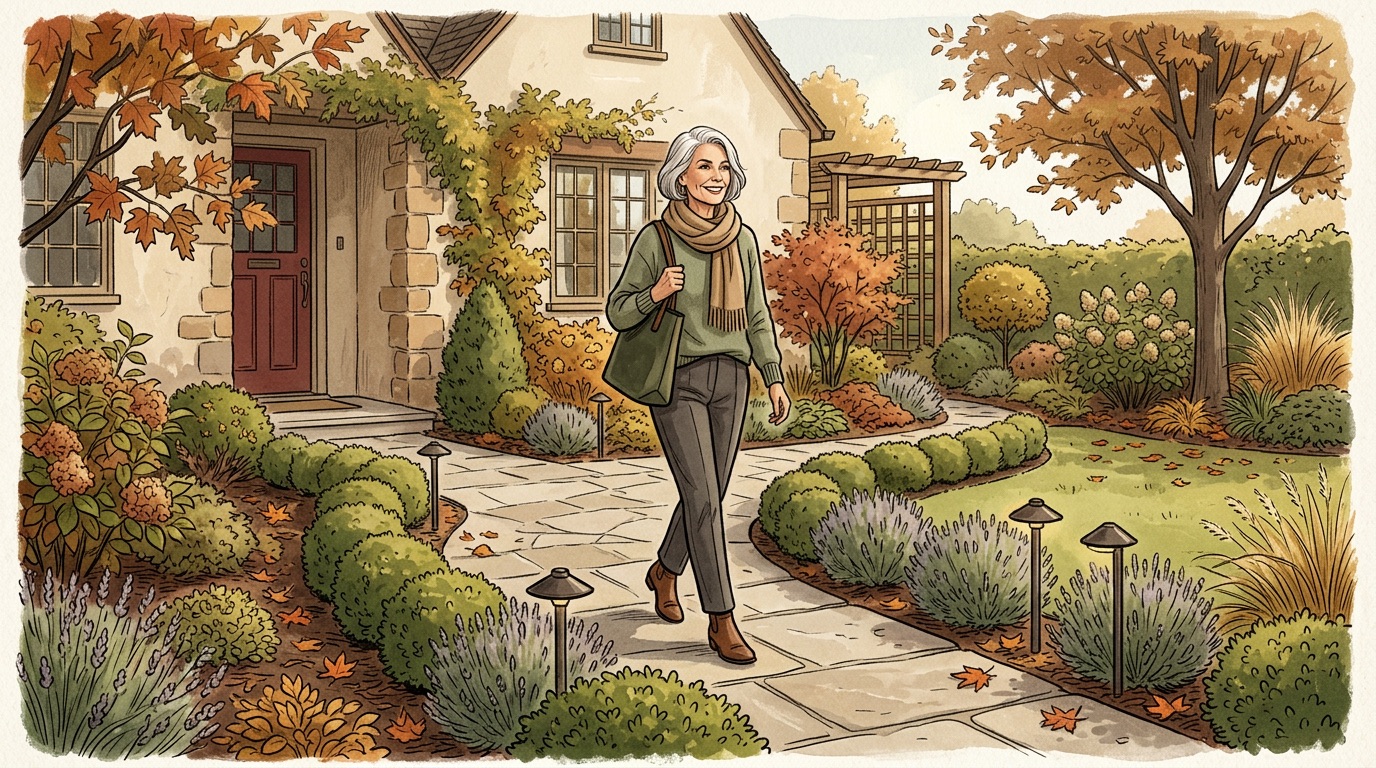
Safe walkway features: clear path, even surface, and adequate lighting
2
Outdoor Stairs and Steps
Install handrails on both sides
$40-120 per side · DIY or professional
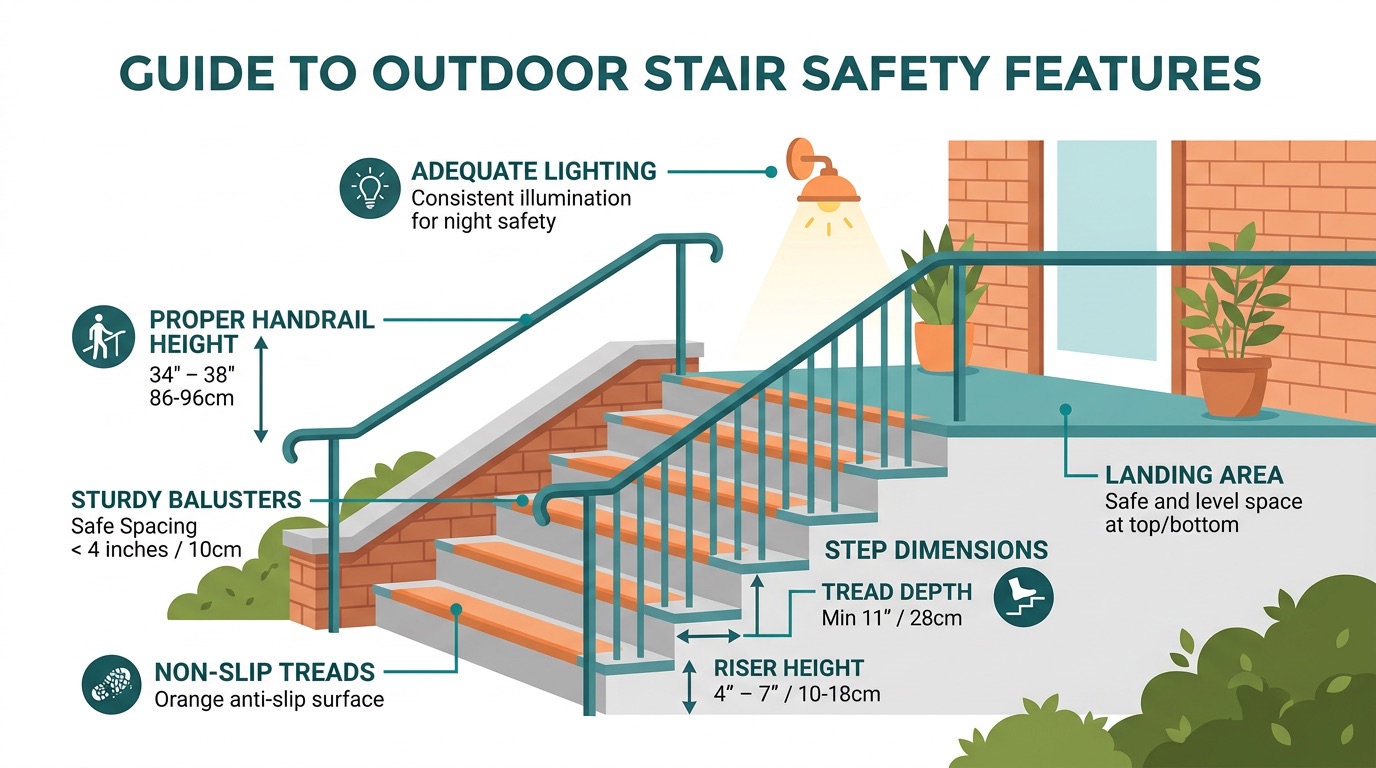
Handrails should extend 12 inches beyond the top and bottom steps and be mounted 34-38 inches high. Adding a second rail to existing stairs that only have a rail on one side is one of the most effective safety improvements you can make.
Add anti-slip strips to each step
$15-25 for a set of 12 strips · DIY
Adhesive anti-slip strips designed for outdoor use stick directly to the step surface and provide traction in wet conditions. Place them at the front edge of each step where your foot lands during normal walking. Install in under an hour.
Improve lighting at the top and bottom
$30-80 per light fixture · DIY or professional
You need to see each individual step clearly to navigate stairs safely. Install lights that illuminate the step edges rather than just the general area. Wall-mounted fixtures work well at the top, while post lights can illuminate the bottom.
Check stair railings for stability
Free
Grab each railing and give it a firm shake to test the mounting hardware. The railing should remain completely stable under pressure. Tighten any loose screws or bolts. If the entire railing shifts when you pull on it, the mounting hardware needs professional attention.
Stepping stones, gravel paths, or simple mulched walkways prevent you from walking on uneven soil or through plants that might catch your feet. The path should be wide enough for comfortable walking and connect the areas you visit most often.
Raise garden beds to reduce bending
$50-200 per raised bed · DIY
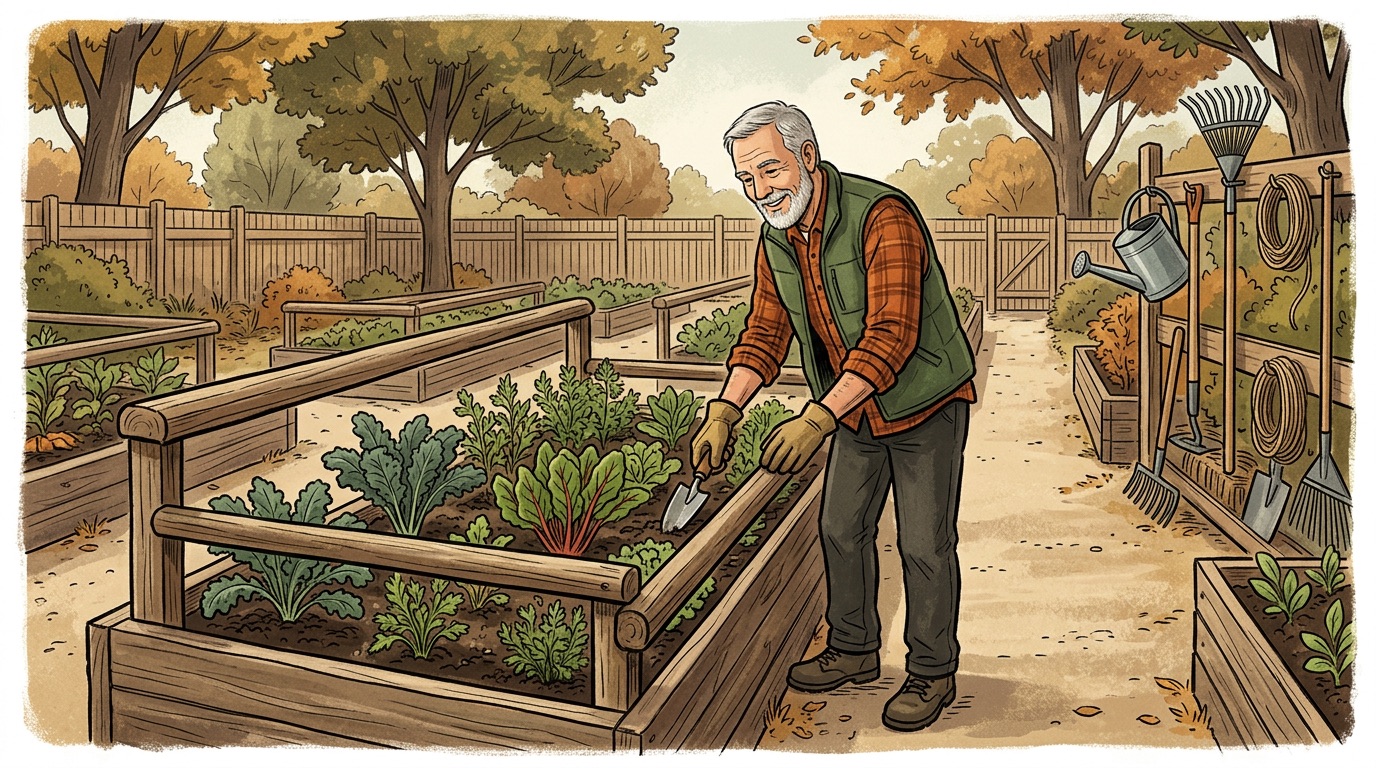
Raised beds 18-24 inches high eliminate the need to bend to ground level for planting, weeding, and harvesting. You can build them from cedar boards, concrete blocks, or purchase pre-made kits that assemble with basic tools.
Install a garden stool or kneeler
$25-75 · Ready to use
A portable garden seat with handles gives you something stable to hold while transitioning from standing to kneeling or sitting. Many models flip over to become a kneeler with padded support for your knees and shins.
Organize tools in a rolling cart
$40-120 · Ready to use
A wheeled garden cart keeps tools at hand height and eliminates multiple trips back to the garage or shed during garden work. You can move it along with you as you work and use the handle for support when standing up from ground-level tasks.
Keep walkways and steps clear of ice and snow accumulation. Use ice melt products designed to be gentler on concrete and plants than traditional rock salt. Sand provides traction but requires ice melting products to clear the ice underneath.
Spring: Surface inspection and repair
Free to assess
Walk around your property after winter to identify new cracks, loose railings, or areas where settling has created uneven surfaces from freeze-thaw cycles. Address small problems before they become larger hazards that require professional repair.
Fall: Leaf and debris management
$30-80 for leaf blower · DIY
Regular removal of wet leaves from walkways and steps is essential for maintaining safe surfaces during peak leaf-fall season. Set up a weekly routine during October and November when leaf accumulation is heaviest.
Getting Started
Start with the free improvements by clearing pathways, checking railings, and identifying problem areas during a thorough walk around your property. These changes make an immediate difference.
Focus on the areas you use most often in your daily routine rather than trying to address everything at once. The path from your front door to your car likely needs attention before the back corner of your garden.
Consider seasonal timing for larger projects. Spring and fall are ideal for concrete work and major pathway improvements when temperatures are moderate. Summer heat can make outdoor projects more challenging.
Mark changes in elevation with bright yellow or white reflective tape on step edges or curbs to make them obvious in low light conditions. The tape is weather-resistant and stays visible in rain and frost.
Free Resources for Outdoor Safety
Area Agency on Aging - Home safety assessments and fall prevention programs tailored to your local area
AARP HomeFit Guide - Free downloadable checklist for aging in place modifications
National Institute on Aging - "Prevent Falls and Fractures" resources with evidence-based prevention strategies
CDC Fall Prevention Program - Evidence-based fall prevention resources including interactive tools and assessment checklists