Medications That Increase Fall Risk: Complete Review Guide
Understanding the medications in your cabinet that could affect your balance
Most falls are preventable, and the fixes are smaller than you think. One of the most overlooked factors is sitting in your medicine cabinet right now. Certain medications can affect your balance, blood pressure, and alertness in ways that significantly increase fall risk. The good news: this is entirely manageable once you know what to look for.
Important note: Don't stop taking medications without consulting your doctor. The goal is to understand how your medications might affect your balance and work with your healthcare team to manage any risks safely.
1
Why Medications Cause Falls
Blood pressure changes
Orthostatic hypotension
Some medications lower blood pressure or cause it to drop when you stand up. This creates dizziness or lightheadedness, especially when moving from sitting to standing.
Sedation and drowsiness
Slower reaction times
Medications that make you sleepy also slow your reaction time and affect your coordination. Your body's ability to catch itself during a stumble gets compromised.
Confusion and cognitive effects
Impaired judgment
Some medications affect thinking, memory, or awareness. This makes it harder to judge distances, recognize hazards, or respond quickly to balance challenges.
Muscle weakness and coordination problems
Impaired movement control
Certain medications can cause muscle weakness or affect the signals between your brain and muscles, making movement less steady.
2
Blood Pressure Medications
ACE inhibitors and ARBs
Lisinopril, enalapril, losartan, valsartan
These medications can cause orthostatic hypotension, where your blood pressure drops when you stand up. You might feel dizzy, lightheaded, or unsteady for the first few moments after standing.
Beta-blockers
Metoprolol, atenolol, propranolol
Can slow heart rate and lower blood pressure, potentially causing dizziness when standing. Some people feel more tired or have reduced exercise tolerance.
Diuretics (water pills)
Hydrochlorothiazide, furosemide
Remove fluid from your body, which can lead to dehydration and low blood pressure. This combination increases dizziness and unsteadiness, especially when getting up.
Calcium channel blockers
Amlodipine, nifedipine
Can cause swelling in the legs and dizziness. Some people experience more pronounced blood pressure drops when standing up.
Regular medication reviews help identify and manage fall risk factors
3
Sleep and Anti-Anxiety Medications
Prescription sleep aids
Zolpidem (Ambien), eszopiclone (Lunesta)
These medications stay in your system longer than you might expect. The drowsiness, slower reflexes, and reduced coordination can persist into the next day, especially in older adults.
Over-the-counter sleep aids
Diphenhydramine (Benadryl), doxylamine
Found in many PM medications and allergy drugs. Cause significant drowsiness and confusion, with effects lasting much longer in older adults than younger people.
Cause sedation, muscle relaxation, and can affect coordination and judgment. They have a long half-life, staying active in your system for hours or even days.
What to watch for
Warning signs
Feeling groggy or unsteady in the morning, difficulty concentrating the day after taking medication, feeling like your reactions are slower than usual, muscle weakness.
4
Antidepressants and Pain Medications
Tricyclic antidepressants
Amitriptyline, nortriptyline
Especially problematic because they can cause both orthostatic hypotension and significant sedation. Often prescribed for nerve pain or sleep problems in addition to depression.
Can cause dizziness, especially when starting or changing doses. SNRIs like duloxetine may also affect balance and coordination.
Opioid pain medications
Oxycodone, hydrocodone, tramadol
Cause sedation, dizziness, and can affect coordination and judgment. Even small doses can significantly impact balance, especially when combined with other medications.
Despite their name, can make you feel weak or unsteady rather than just relaxed. Cause drowsiness and reduced muscle control that affects walking and balance.
5
Other Medications to Monitor
Antihistamines
Diphenhydramine (Benadryl), hydroxyzine
First-generation antihistamines cause significant drowsiness and can affect coordination. They're particularly problematic for older adults because sedating effects are stronger and last longer.
Seizure medications used for nerve pain
Gabapentin (Neurontin), pregabalin (Lyrica)
Increasingly prescribed for nerve pain, and many people don't realize they can affect balance. Can cause dizziness, coordination problems, and fatigue.
Over-the-counter combinations
Tylenol PM, Advil PM, NyQuil
Contain diphenhydramine or doxylamine, which cause drowsiness and confusion. The sedating ingredients can interact with other medications you're taking.
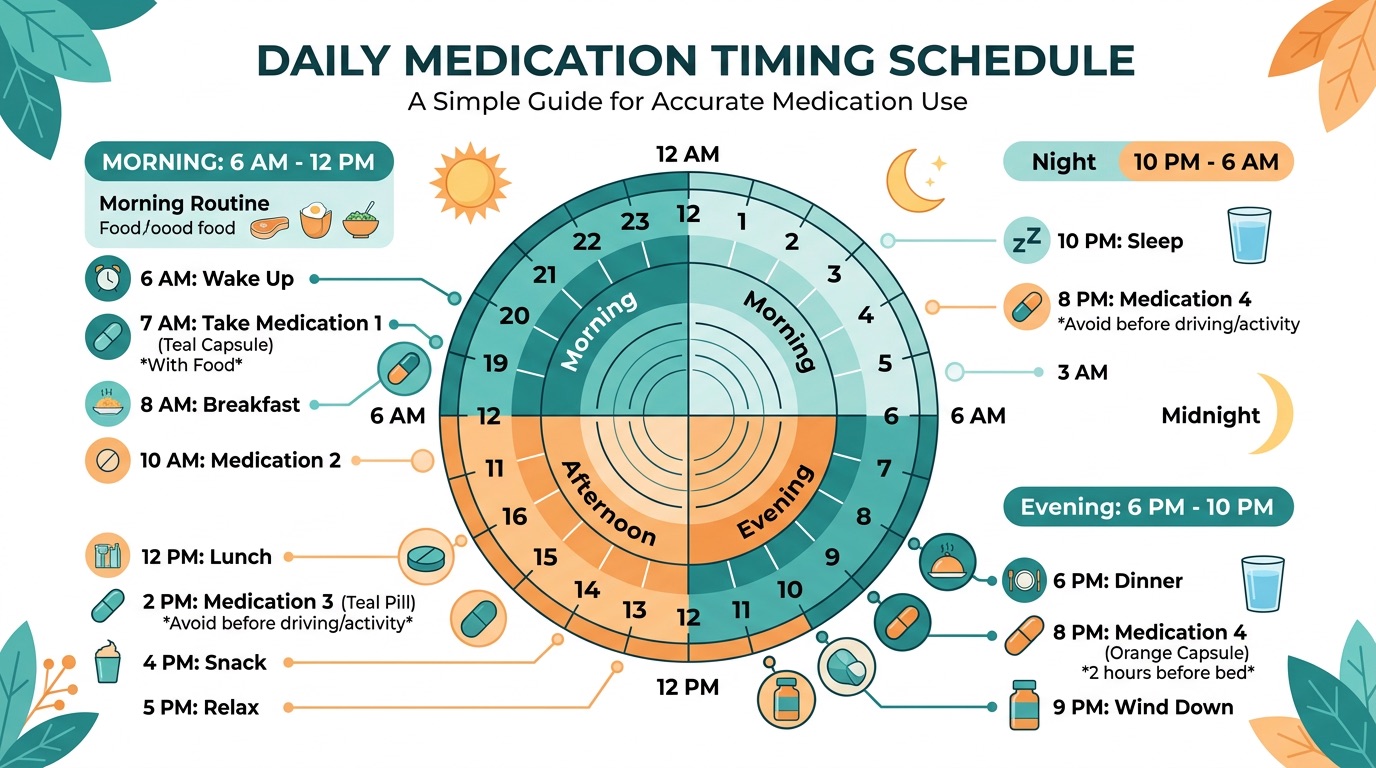
Strategic timing can reduce the impact of medications on your balance
6
Creating Your Safety Plan
Make a complete medication list
Include everything
Write down every medication you take, including over-the-counter drugs, vitamins, and supplements. Include the name, dose, and when you take it. Note any medications you take "as needed."
Track your symptoms
Look for patterns
For one week, note any dizziness, unsteadiness, drowsiness, or near-falls. Write down when these happen and what medications you've taken in the previous 12-24 hours.
Schedule a medication review
Ask the right questions
Bring your complete medication list and symptom notes to your doctor or pharmacist. Ask specifically about fall risk and whether any adjustments make sense.
Consider timing adjustments
Reduce daytime risk
Sometimes taking a medication at bedtime instead of morning reduces daytime fall risk. Ask about spacing out multiple medications throughout the day.
Your pharmacist can provide valuable insights into medication timing and interactions
Medication Safety Strategies
Start by getting up slowly, especially in the morning. Sit on the edge of the bed for 30 seconds before standing. This gives your blood pressure time to adjust.
Stay hydrated throughout the day. Dehydration worsens the effects of many medications that can cause dizziness or low blood pressure.
Be extra cautious during medication changes. Starting new medications, changing doses, or stopping medications can temporarily increase fall risk while your body adjusts.
Plan demanding activities when medication effects are lowest, usually before your next dose. Avoid activities requiring good balance during peak medication times (typically 1-4 hours after taking them).
Your pharmacist can be an excellent resource for medication-related fall risk. They often have more time than doctors to discuss side effects and interactions in detail.