Home Modifications Covered by Medicare and VA Benefits
Your complete guide to funding accessibility improvements
Medicare and VA benefits cover specific accessibility improvements under certain conditions. This guide walks through exactly what's covered, how to qualify, and what steps to take to get the modifications you need without paying full price.
About benefit applications: Most people don't know these benefits exist. The programs get limited publicity, and the application process varies by region. When you qualify, you could get grab bars, ramps, bathroom modifications, and other safety improvements covered partially or completely.
1
What Medicare Covers
Durable medical equipment prescribed by a doctor
Medicare Part B coverage
Medicare covers home modifications only when they're considered "durable medical equipment" prescribed by a doctor for a specific medical condition. The coverage operates within narrow parameters but provides real financial relief.
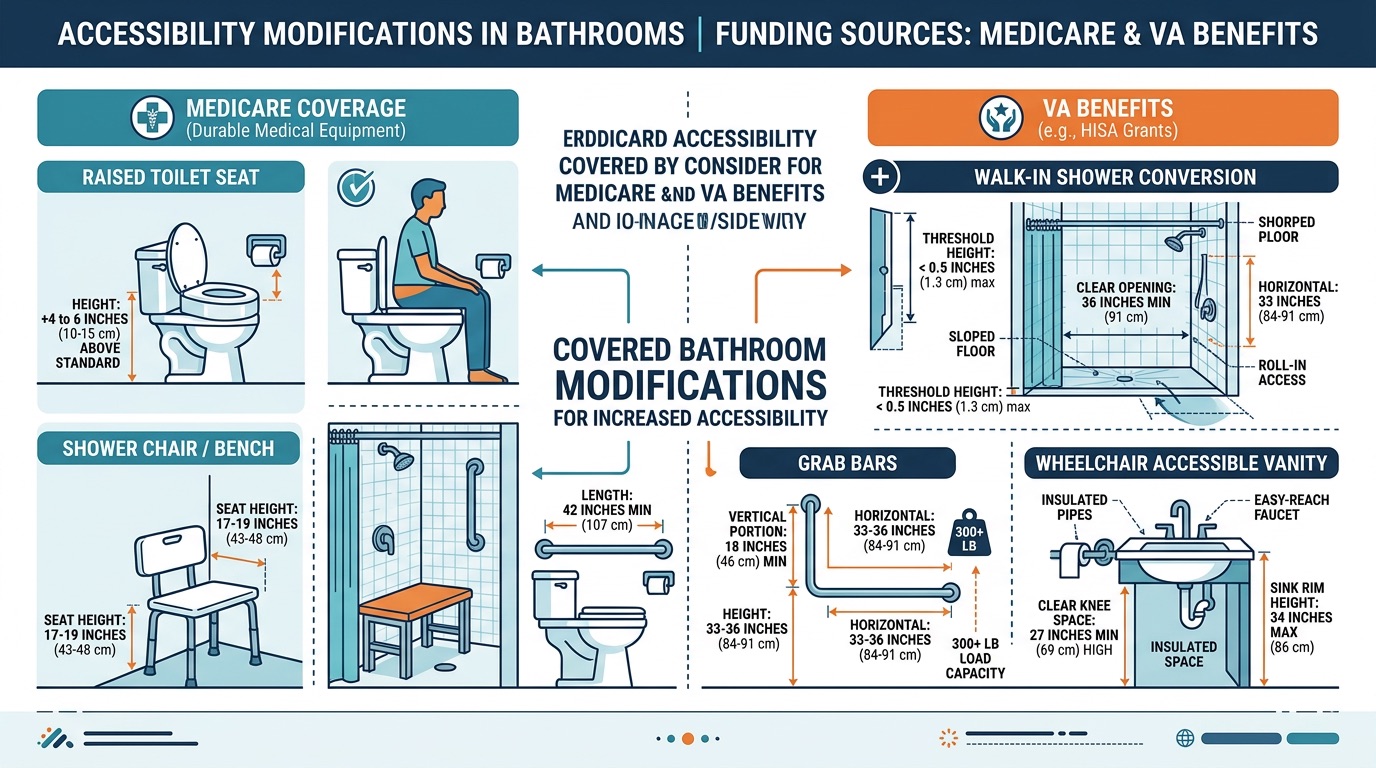
Bathroom modifications commonly covered by Medicare and VA benefits
Hospital beds for home use
Covered when medically necessary
When a doctor prescribes a hospital bed for home use as part of treating a specific medical condition.
Wheelchairs and mobility scooters
Covered with prescription
Both manual and power wheelchairs, along with mobility scooters, when prescribed for mobility limitations.
Bathroom safety equipment
Limited coverage
Includes shower chairs, raised toilet seats, and grab bars when part of a medical treatment plan. Must be prescribed by a doctor.
What Medicare excludes
Not covered
Permanent structural changes such as built-in ramps, doorway widening, and bathroom remodeling. Home maintenance or general safety improvements. Modifications for convenience rather than medical necessity.
2
VA Benefits for Home Modifications
Specially Adapted Housing (SAH) Grant
Up to $109,986 (2024)
Available for veterans with specific severe disabilities. Covers major modifications including wheelchair-accessible bathrooms, ramps, widened doorways, and accessible kitchens. Can be used to buy, build, or modify a home.
Special Housing Adaptation (SHA) Grant
Up to $21,761 (2024)
Available for veterans with less severe but qualifying disabilities. Covers grab bars, ramps, accessible showers, and modified cabinetry.
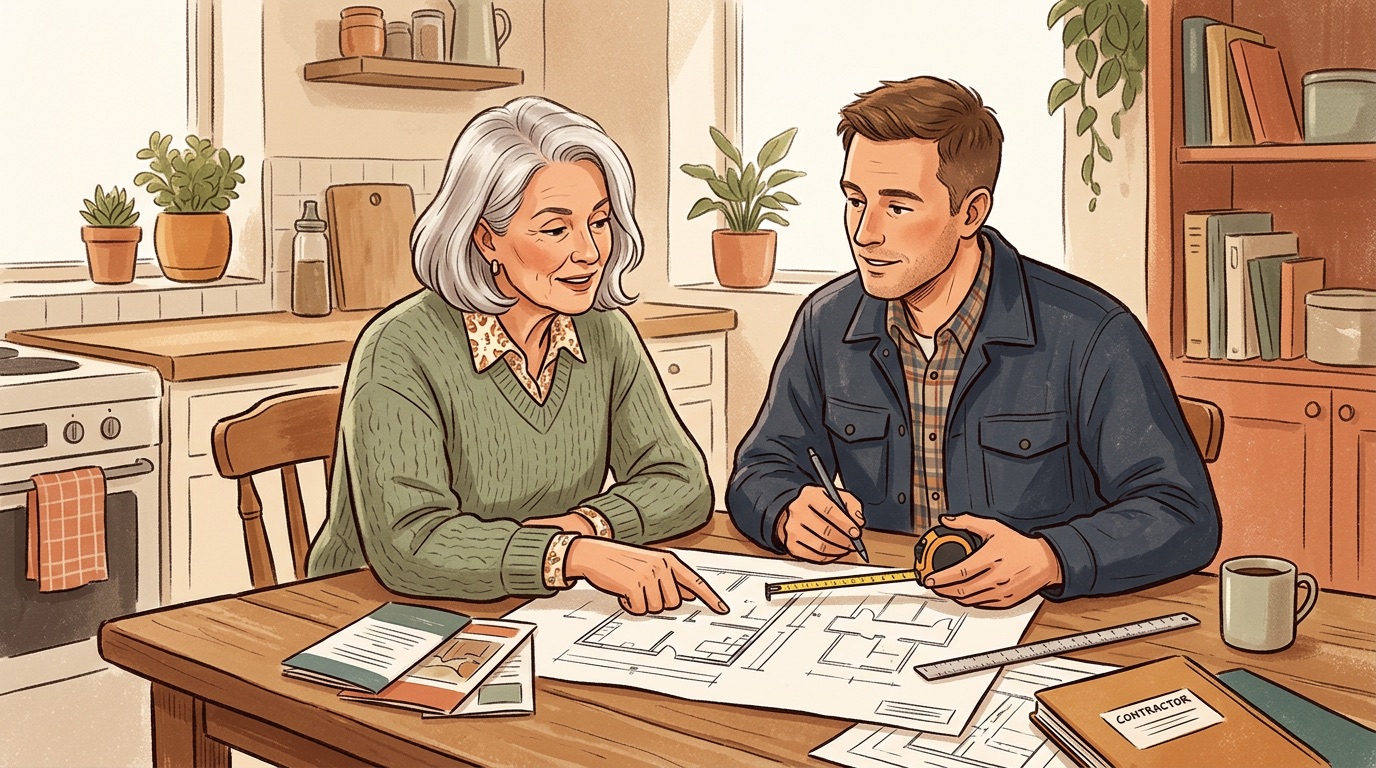
VA home modification consultation and assessment process
Home Improvements and Structural Alterations (HISA)
Up to $6,800 service-connected | Up to $2,000 non-service
Covers grab bars, accessible bathrooms, ramps, and stairlifts. Higher amount for service-connected disabilities, lower for conditions unrelated to service.
Qualifying conditions include
Specific disability requirements
Loss of use of both legs, loss of use of both arms, blindness in both eyes with 20/200 vision or less, loss of use of one leg and one arm, burns or inhalation injuries, and other conditions that limit mobility significantly.
3
How to Apply for Medicare Coverage
Step 1: Get a prescription from your doctor
Medical necessity required
Schedule an appointment specifically to discuss home safety equipment. Bring a list of what you need and explain how your medical conditions make these items necessary for treatment or safety.
Step 2: Choose a Medicare-approved supplier
Use approved vendors only
Medicare only covers equipment from approved suppliers. Call Medicare at 1-800-MEDICARE or use their online supplier directory to find approved vendors in your area.
Step 3: Submit prescription and documentation
Supplier handles paperwork
The supplier will handle most of the paperwork, but you'll need to provide your prescription and any additional medical documentation Medicare requests.
Step 4: Pay your portion of costs
80% coverage after deductible
Medicare Part B covers 80% of approved costs after you meet your annual deductible. You remain responsible for the remaining 20% plus any costs above Medicare's approved amount.
4
How to Apply for VA Benefits
For SAH and SHA grants
Contact regional VA office
Contact your local VA regional office or call 1-877-827-1000. You'll need to complete VA Form 26-4555 and provide medical documentation of your qualifying disability.
For HISA benefits
Work with VA social worker
Work with your VA social worker or occupational therapist. They can help you apply and will assess your home to determine what modifications are needed.
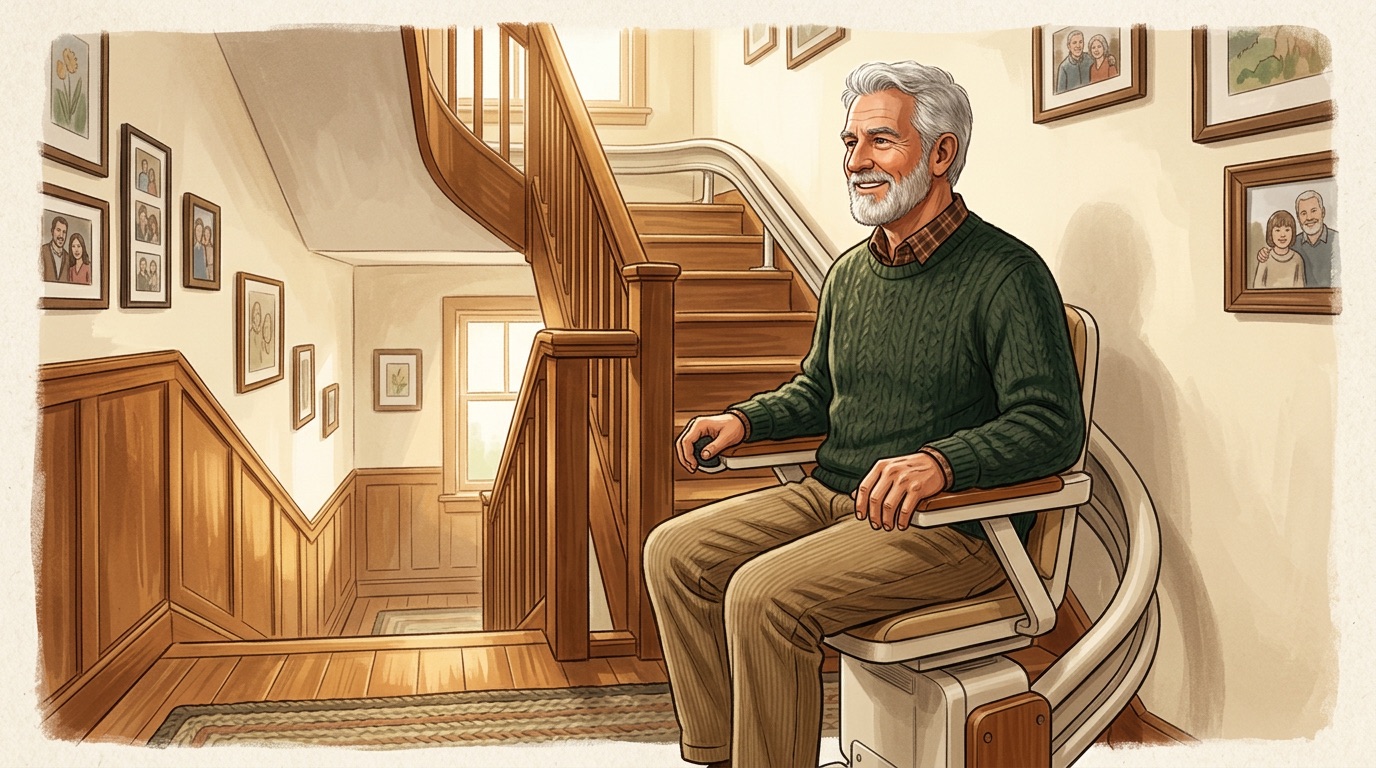
Stairlift installations often covered by VA benefits
Required documentation
Essential paperwork
DD-214 military discharge papers, medical records showing your qualifying condition, home assessment arranged by the VA, and contractor estimates for some programs.
Timeline expectations
2-4 months typical
SAH and SHA applications typically take 2-4 months to process. HISA benefits can be approved more quickly, often within 30-60 days.
5
State and Local Programs
Medicaid waiver programs
Available in most states
Most states offer home modification assistance through Medicaid waivers. Coverage varies by state but often includes ramps, bathroom modifications, and accessibility improvements.
State aging agencies
Local coordination
Contact your State Unit on Aging for local programs. Many offer grants or low-interest loans for home modifications.
Local utility company rebates
Energy efficiency focus
Some utility companies offer rebates for accessibility improvements, especially those that improve energy efficiency.
6
Working with Contractors
Look for CAPS certification
Specialized training
Certified Aging-in-Place Specialists (CAPS) have specific training in home modifications for aging adults. The National Association of Home Builders maintains a directory at nahb.org.
Get multiple quotes
Compare costs and options
Medicare and VA benefits have specific cost limits. Get at least three quotes to ensure you're getting fair pricing and to have options when one contractor can work within the benefit limits.
Verify insurance billing experience
Paperwork expertise matters
Ask contractors directly whether they've billed Medicare or VA benefits before. The paperwork requirements are specific, and experienced contractors can save you significant time and hassle.
Get everything in writing
Protect your interests
Include the total cost, what's covered by benefits, what you'll pay out of pocket, and the timeline for completion.
Where to Start
Start with the program that matches your situation best. Veterans should begin with VA benefits since the coverage is more comprehensive. Civilians should start with Medicare for any prescribed medical equipment, then explore state and local programs for broader modifications.
The medical documentation represents your most important preparation step. Whether you're applying for Medicare or VA benefits, you need clear documentation that connects your medical conditions to the specific modifications you're requesting.
Starting early works better than waiting until you need the modifications urgently. These applications take time, and planning ahead gives you more options and creates less stress.
Denials happen commonly, especially for Medicare claims. Most can be appealed successfully with the right documentation. Request written explanations and gather additional medical documentation for appeals.
Free Resources
Medicare.gov provides official information on covered equipment and approved suppliers
VA.gov contains complete information on all home modification programs
Eldercare Locator to find your local Area Agency on Aging for program coordination