When Grief Shows Up Before Loss A Guide to Anticipatory Grief While Caregiving
Practical modifications for safety and independence
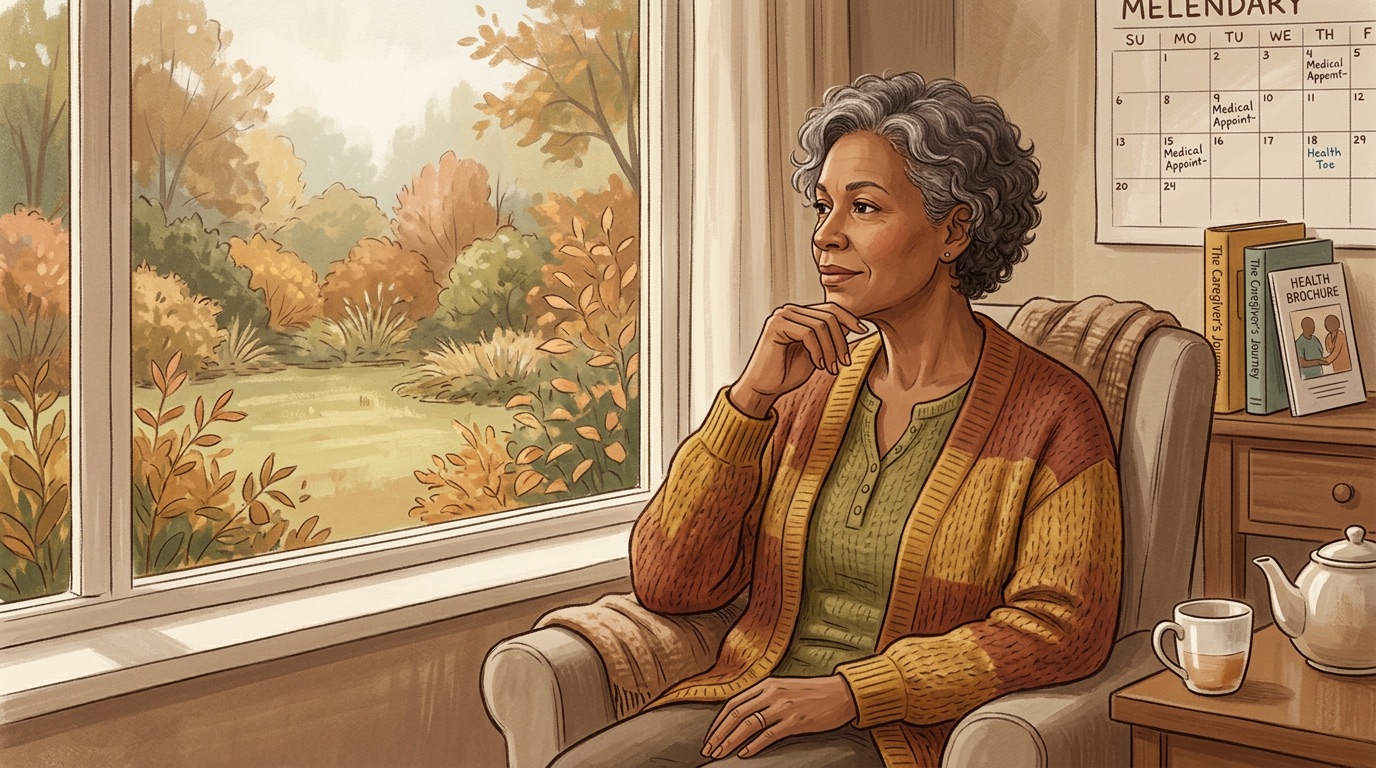
You're watching your parent change, and something inside you is changing too. The person who raised you is still here, but they are a different version of themselves. You find yourself mourning someone who has not died yet, and that feels wrong somehow. This feeling has a name: anticipatory grief. Anticipatory grief is the sadness, anger, and loss you feel when you know someone you love is declining, even while they are still alive. This grief encompasses the relationship you used to have, the future you thought you would share, and watching someone you love struggle. This grief is real, normal, and exhausting. Most people handle it alone because few people talk about grief that arrives before death.
About costs and timeline: Modification costs vary by complexity and location. Start with the most essential changes first and plan for professional installation of structural modifications.
1
Free Resources
National:
Free resource
- AARP Caregiving Resource Center - comprehensive guides and support tools. - Family Caregiver Alliance - fact sheets, support groups, and state-specific resources. - Alzheimer's Association 24/7 Helpline - 1-800-272-3900, for dementia-related caregiving support. - National Alliance for Caregiving - research, resources, and advocacy.
Local Support:
Free resource
- Contact your Area Agency on Aging - enter your ZIP code at eldercare.acl.gov to find local services. - Many hospitals offer free caregiver support groups. - Faith communities often have grief support groups that welcome anticipatory grief.
Books:
Free resource
- "The 36-Hour Day" by Nancy Mace - practical guide for dementia caregiving. - "Being Mortal" by Atul Gawande - thoughtful look at aging, dying, and medical care. Anticipatory grief is real grief. It deserves recognition, support, and care. You are handling an impossible situation with love and dedication. We send a weekly newsletter for people making their homes work better as they age. Practical ideas, written by people who care about this work. Join us.
Free Resources visual guide
Key Tips
Start with the most important modifications first based on your current needs.
Consider both immediate safety and future accessibility when making changes.
Get multiple quotes from qualified contractors for major modifications.
Check with your insurance about coverage for medically necessary modifications.