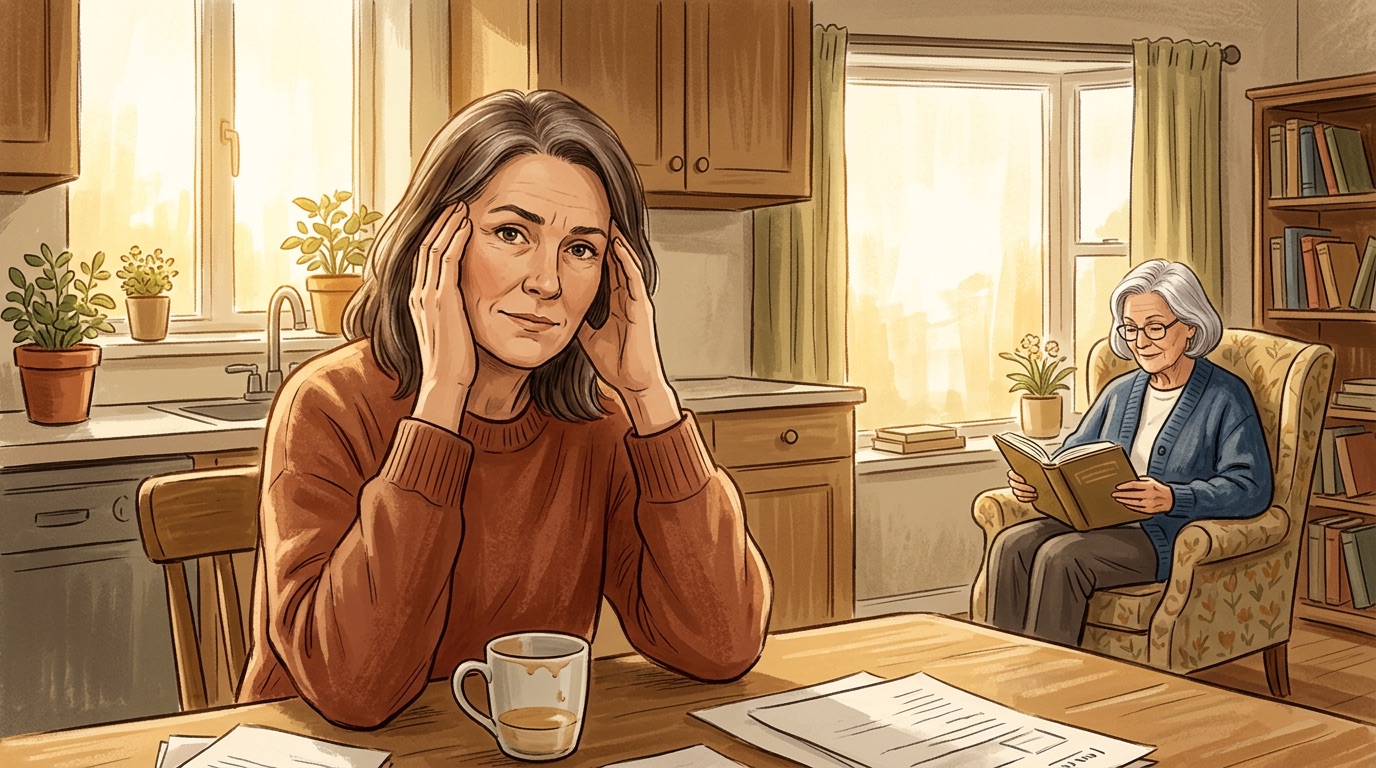
Caregiver Burnout vs Depression How to Tell the Difference
Practical modifications for safety and independence
When you're caring for an aging parent while juggling your own family and career, exhaustion becomes your normal. But sometimes that exhaustion crosses a line into something deeper. Knowing whether you're experiencing caregiver burnout or depression matters because the solutions are different. This guide helps you understand what you're dealing with so you can address it effectively. Both burnout and depression are real, both are treatable, and both are more common in caregivers than most people realize.
About costs and timeline: Modification costs vary by complexity and location. Start with the most essential changes first and plan for professional installation of structural modifications.
1
The Key Differences
How it shows up:
The Key Differences
- Persistent sadness, emptiness, or hopelessness that lasts most of the day, nearly every day. - Loss of interest in activities you used to enjoy, including things unrelated to caregiving. - Significant changes in appetite or sleep patterns. - Difficulty concentrating or making decisions. - Feelings of worthlessness or excessive guilt. - Thoughts of death or suicide. - Physical symptoms like unexplained aches, digestive problems, or fatigue. **The pattern:** Depression affects your entire life, including your caregiving role. Taking a break from caregiving provides minimal improvement in how you feel. **Who it affects most:** Anyone, but caregivers have higher rates of depression than the general population. Previous history of depression, lack of social support, and financial strain increase the risk. **Cost to address:** Varies widely. Therapy ranges from $50-200 per session. Some insurance covers mental health treatment. Community mental health centers offer sliding-scale fees. Medication costs vary depending on insurance and generic availability.
How it shows up:
The Key Differences
- Persistent sadness, emptiness, or hopelessness that lasts most of the day, nearly every day. - Loss of interest in activities you used to enjoy, including things unrelated to caregiving. - Significant changes in appetite or sleep patterns. - Difficulty concentrating or making decisions. - Feelings of worthlessness or excessive guilt. - Thoughts of death or suicide. - Physical symptoms like unexplained aches, digestive problems, or fatigue. **The pattern:** Depression affects your entire life, including your caregiving role. Taking a break from caregiving provides minimal improvement in how you feel. **Who it affects most:** Anyone, but caregivers have higher rates of depression than the general population. Previous history of depression, lack of social support, and financial strain increase the risk. **Cost to address:** Varies widely. Therapy ranges from $50-200 per session. Some insurance covers mental health treatment. Community mental health centers offer sliding-scale fees. Medication costs vary depending on insurance and generic availability.
The Key Differences visual guide
2
What to Do About Each
Immediate steps:
What to Do About Each
- Contact your primary care doctor. Depression has physical effects, and your doctor needs to know what you're experiencing. - Reach out to one person you trust. Depression thrives in isolation, and even one conversation can help. - If you're having thoughts of suicide, call the 988 Suicide & Crisis Lifeline immediately.
Longer-term solutions:
What to Do About Each
- Research respite care options in your area. Adult day programs, in-home respite workers, or volunteer companion programs can provide regular breaks. - Join a caregiver support group. Many meet virtually now, making them easier to attend. - Reassess the division of responsibilities among siblings or other family members. This conversation is difficult but necessary. **Professional help:** A social worker who specializes in aging can help you navigate resources and develop a sustainable care plan. Many hospitals and Area Agencies on Aging offer these consultations at no cost. ### For Depression
Immediate steps:
What to Do About Each
- Contact your primary care doctor. Depression has physical effects, and your doctor needs to know what you're experiencing. - Reach out to one person you trust. Depression thrives in isolation, and even one conversation can help. - If you're having thoughts of suicide, call the 988 Suicide & Crisis Lifeline immediately.
Treatment options:
What to Do About Each
- Therapy, particularly cognitive-behavioral therapy, has strong evidence for treating depression in caregivers. - Medication may be helpful, especially if therapy alone is insufficient. - Support groups specifically for depression can provide connection with others who understand. **Professional help:** Start with your primary care doctor, who can refer you to a mental health professional. If cost is a concern, ask about sliding-scale therapy options or community mental health centers.
What to Do About Each visual guide
3
Free Resources
National:
Free resource
- [AARP Caregiving Resource Center](https://www.aarp.org/caregiving/) provides practical guides, local resources, and support group directories. - [Eldercare Locator](https://eldercare.acl.gov) helps find local services by zip code, including respite care and support groups. - [National Alliance for Caregiving](https://www.caregiving.org) offers research, resources, and advocacy for family caregivers. - [988 Suicide & Crisis Lifeline](https://988lifeline.org) provides 24/7 crisis support.
Local:
Free resource
- Your Area Agency on Aging provides local resources. Search "Area Agency on Aging" plus your county name. - Hospital social work departments offer free caregiver consultations at many locations. - Faith communities often have volunteer programs or support groups, regardless of membership. - Senior centers usually have resource lists and may offer family caregiver programs.
Online Support:
Free resource
- [CaringBridge](https://www.caringbridge.org) helps coordinate care updates with family members. - [Caregiver Action Network](https://caregiveraction.org) provides online support community and resources. - Local Facebook groups for caregivers exist in most areas.
Free Resources visual guide
Key Tips
Start with the most important modifications first based on your current needs.
Consider both immediate safety and future accessibility when making changes.
Get multiple quotes from qualified contractors for major modifications.
Check with your insurance about coverage for medically necessary modifications.