Honoring autonomy while addressing safety concerns
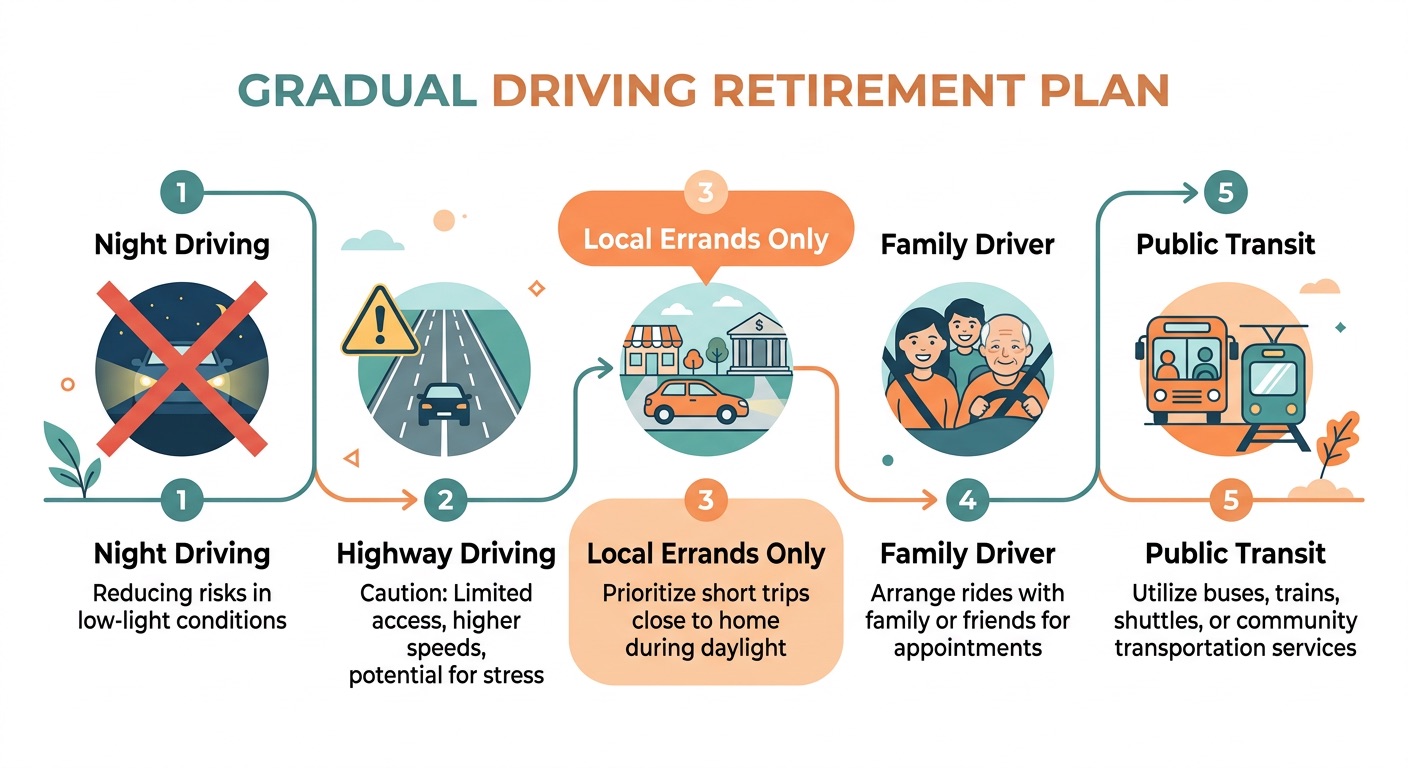
A gradual driving retirement plan gives everyone time to adjust. Instead of one devastating conversation about taking the keys away, you create a series of smaller conversations about staying safe behind the wheel. This approach honors the driver's autonomy while addressing real safety concerns.
1
Why Gradual Retirement Works Better
Avoids crisis-driven decisions
Prevention Strategy
Most families wait until there's an accident or close call that forces an immediate stop. The driver goes from full independence to no driving overnight. The adjustment is brutal for everyone involved.
Maintains driver control over the timeline
Autonomy Preservation
A gradual approach lets the driver maintain control over the timeline while slowly building alternative transportation habits. They can practice taking the bus while still driving to church.
A typical gradual retirement timeline spans months or yearsFamily conversations should start before crisis situations arise
Psychological adjustment happens in stages
Mental Health
Each small change becomes normal before the next one begins. This prevents the overwhelming sense of loss that comes with sudden, complete driving cessation.
2
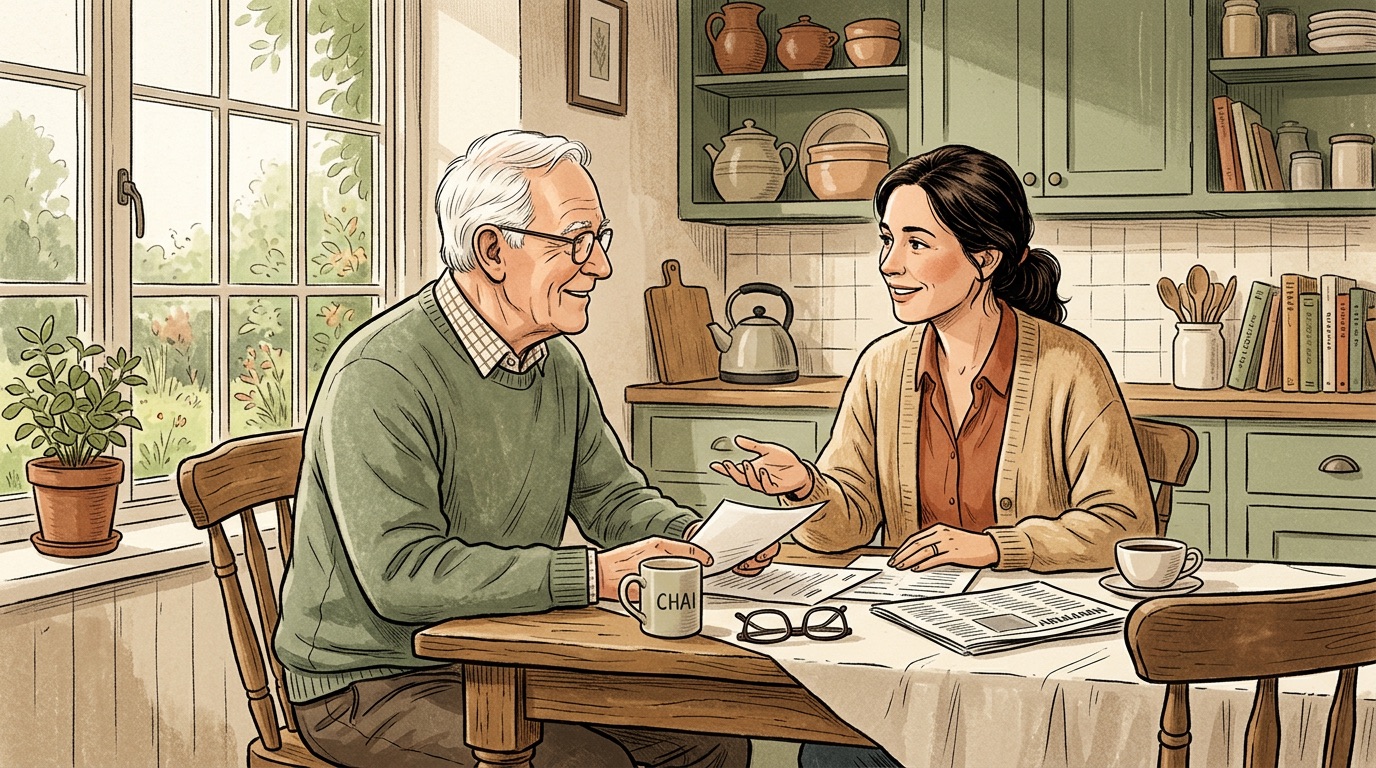
How to Start the Conversation
Start with what you've noticed, not what you're worried about
Conversation Opener
"Dad, I noticed you've been avoiding left turns at busy intersections. That seems really smart. Are there other situations where driving feels harder than it used to?"
Ask about their own concerns first
Their Perspective
"Have you noticed any changes in your driving? Are there times when it feels more challenging?" Most older drivers have already noticed changes. Starting from their perspective builds trust.
Focus on specific situations, not overall ability
Specific Focus
"How does driving at night feel these days?" is easier to answer honestly than "Do you think you should stop driving?" Specific questions feel less threatening.
3
Phase-by-Phase Retirement Plan
Phase 1: Eliminate the hardest driving first
Initial Restrictions
Driving only during daylight hours, using local roads while avoiding highways, staying within a familiar 5-10 mile radius, and avoiding rush hour traffic. The driver keeps independence for routine trips while avoiding difficult situations.
Phase 2: Reduce trip frequency
Trip Consolidation
Grocery shopping once a week instead of multiple trips, combining errands into one outing, having medications delivered, using grocery pickup for heavy items. This introduces alternative services gradually.
Building alternative transportation habits takes practice and planning
Phase 3: Limit to essential trips only
Priority Selection
The driver keeps the car for medical appointments, religious services, or other activities they value most highly. Everything else gets handled through delivery, rides from family, or public transportation.
Phase 4: Full retirement
Complete Transition
The car gets sold or transferred to family. All transportation needs get met through family, friends, public transit, or ride services. This phase should feel natural after successful previous phases.
4
Building Alternative Transportation
Practice alternatives while still driving
Skill Building
Take the bus together to a familiar destination. Try grocery delivery for one shopping trip. Use a ride service for one doctor appointment. When alternatives feel familiar, giving up driving feels manageable.
Start building networks early
Social Support
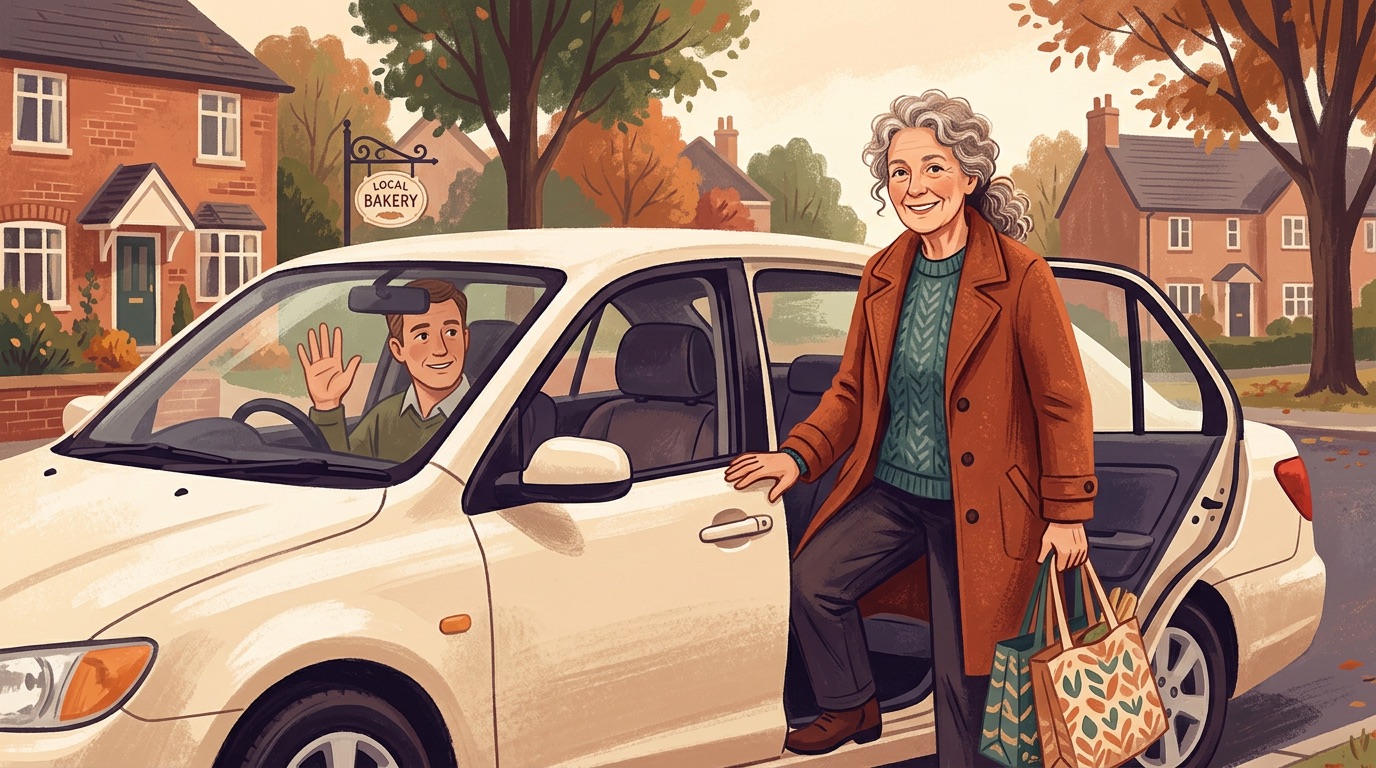
Rural communities often rely on informal ride-sharing among neighbors, church members, or community groups. Start cultivating these relationships before you need them.
Research regional transportation services
Professional Options
Many areas have specialized transportation for seniors. These services often require advance booking and may have limited schedules, but they exist in most regions. Contact your local Area Agency on Aging.
Plan for the practical details
Logistics
Who will handle grocery shopping? How will medical appointments work? What happens in emergencies? Work through these logistics before you need them.
Legal and Safety Considerations
If you know someone is unsafe behind the wheel, you have legal and moral obligations to address the situation. Most states allow anonymous reporting to the DMV for vision tests or road tests.
Document your concerns with specific details. Keep notes about incidents or changes you've observed. If there's an accident and investigators ask whether family knew about problems, you want a record of steps taken.
Consider involving professionals: occupational therapists can assess driving ability, driving instructors can provide refresher training, and elder law attorneys can explain legal implications and help with planning.