The Emotional Impact of Losing Driving Independence
Navigating one of the hardest conversations a family will have
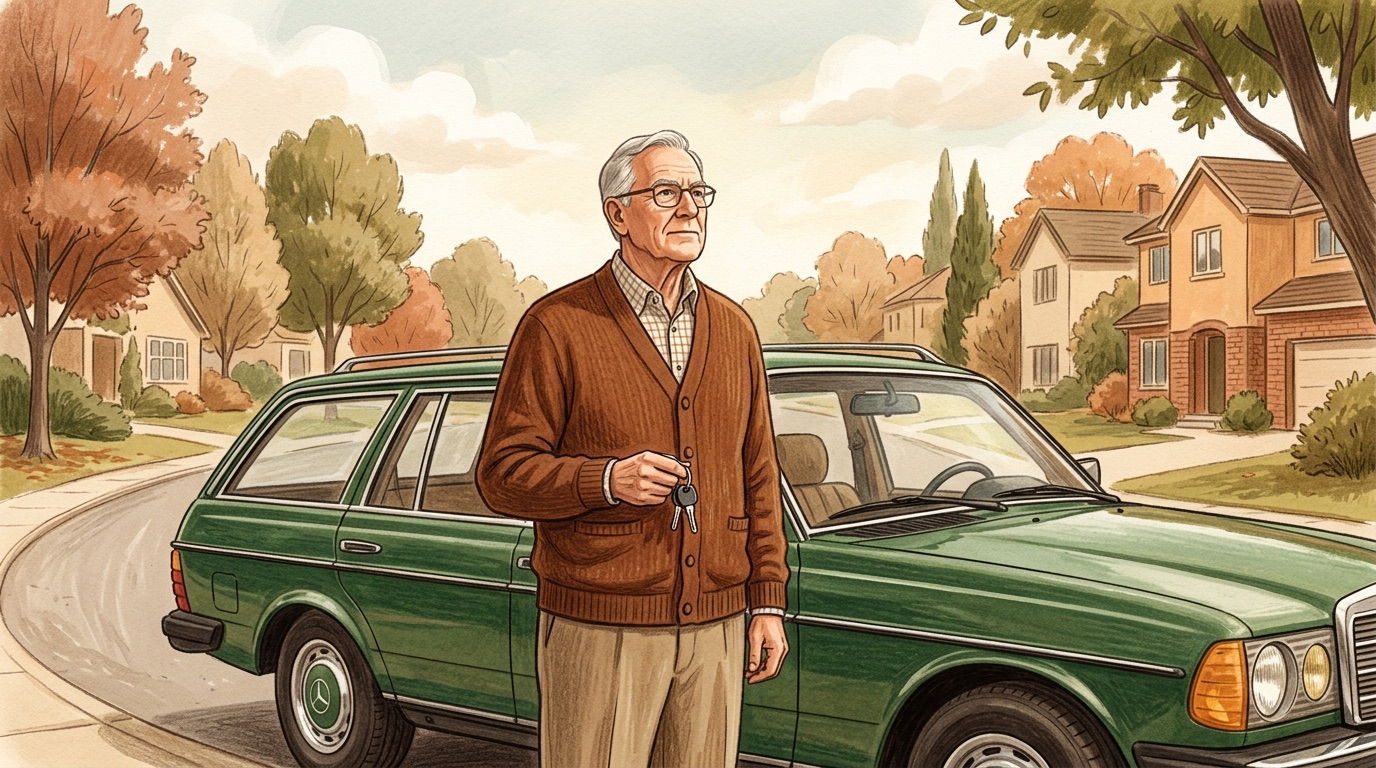
Giving up driving isn't just about transportation. It's about losing the last thing that makes you feel like yourself. For many older adults, their car keys represent freedom, spontaneity, and control over their own life. Taking that away, even when safety demands it, can feel devastating.
1
Why Losing Driving Independence Hurts So Much
It's not just about getting places
Core Issue
Driving represents control over your daily life. It means being able to visit a friend on impulse, run to the store when you need something, or drive somewhere quiet when you need to think. Without a car, every trip requires planning, asking for help, or depending on others' schedules.
The ripple effects are real
Lifestyle Impact
When someone stops driving, they often stop doing things they enjoy. Weekly coffee with friends becomes too complicated to arrange. Grocery shopping shifts from an independent task to something that requires coordination with family. Doctor appointments become major logistical challenges instead of routine errands.
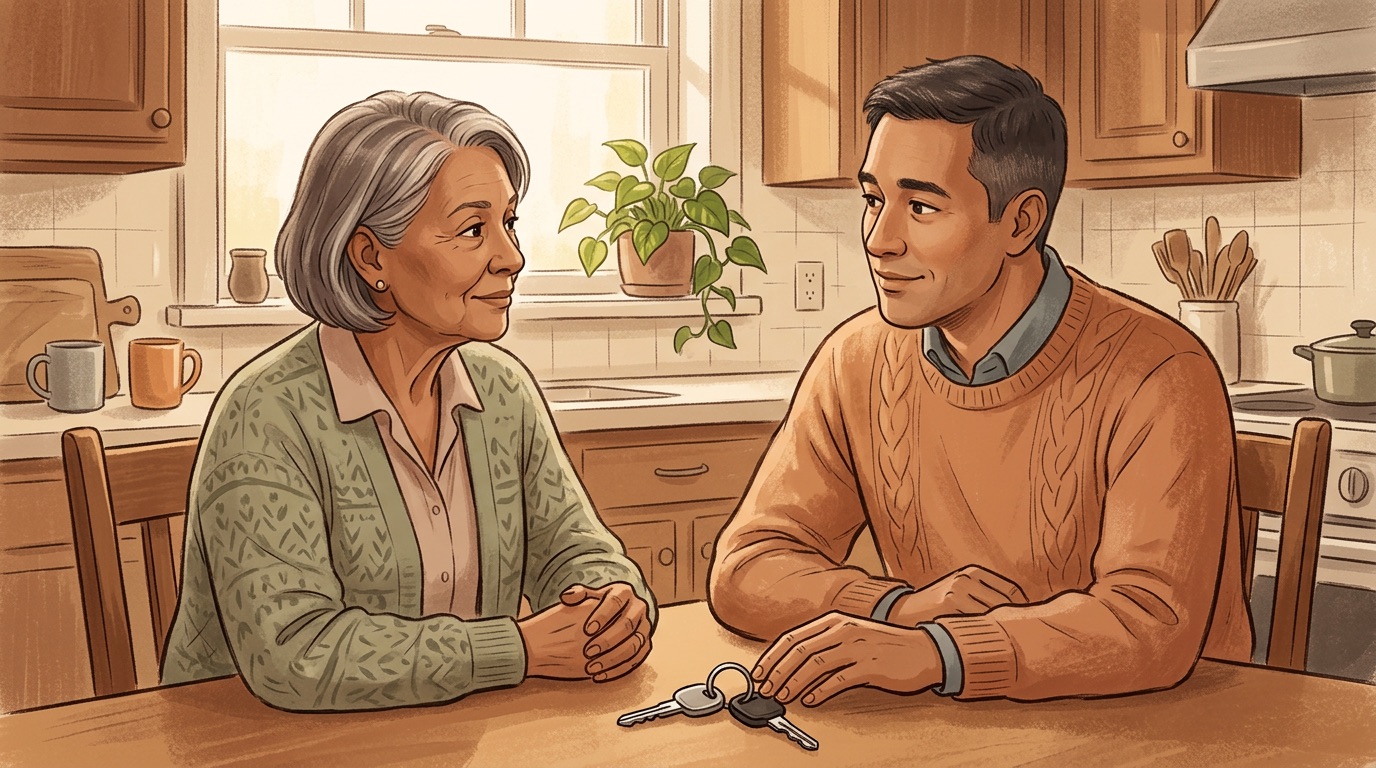
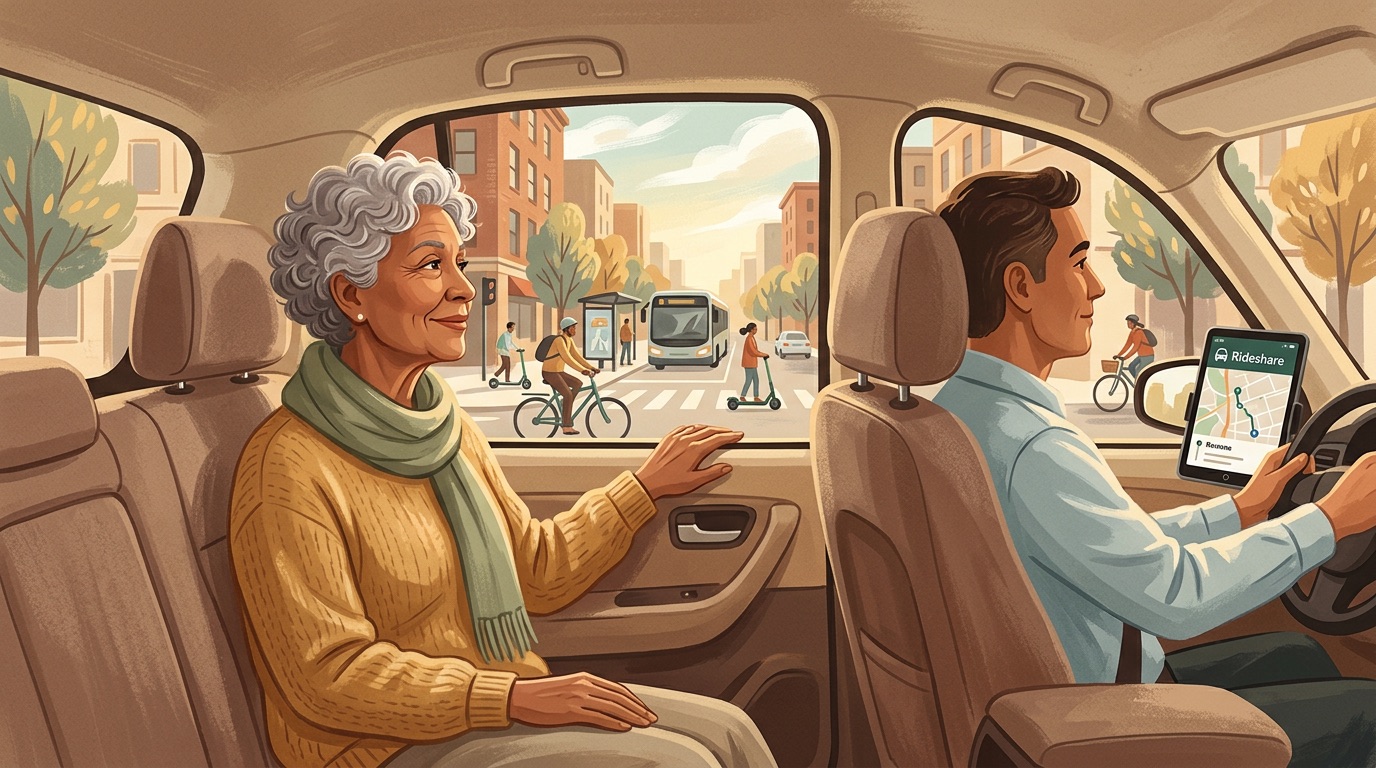
Family conversations about driving require empathy from all sidesThe transition from driving to other transportation takes planning
Rural areas face unique challenges
Geographic Factor
If you live outside a city, losing your license can mean genuine isolation. Public transit may not exist. Ride services might not operate in your area. The nearest grocery store could be 15 miles away. For rural seniors, giving up driving can mean giving up their ability to live independently in their own home.
Identity and self-worth get tangled up
Personal Identity
Many people, especially men who came of age in the 1950s and 60s, tied their identity to being able to drive. Being a good driver meant being responsible, capable, and independent. Admitting you can't drive safely anymore can feel like admitting you're no longer the person you've always been.
2
What Adult Children Are Really Feeling
You're not being controlling when you worry
Normal Response
You're scared. You're imagining worst-case scenarios because you love them. You might be thinking about legal liability if something happens and you knew they weren't safe behind the wheel. These feelings are normal and valid.
The fear behind the conversation
Avoidance Pattern
Most adult children avoid the driving conversation because they're afraid of their parent's reaction. You might be worried about anger, defensiveness, or hurt feelings. You might be concerned that bringing it up will damage your relationship or make your parent feel betrayed.
Legal and practical concerns
Liability Issues
In some states, family members can be held liable if they know someone is unsafe to drive but don't take action. Even where there's no legal requirement, the moral weight can be overwhelming. If your parent causes an accident, you'll wonder if you could have prevented it.
3
What Seniors Are Really Feeling
The fear is about more than driving
Deeper Concerns
When people suggest you stop driving, it can feel like the first domino in a series that ends with losing your home, your independence, and your autonomy. Even if that's not what anyone is suggesting, the fear is real and understandable.
Practical concerns are valid
Legitimate Worries
Your worries about how you'll manage without a car are legitimate. Depending on where you live, giving up driving might mean major lifestyle changes. It's reasonable to want to understand what those changes will look like before you make the decision.
4
How to Have the Conversation
Start with specific observations
Communication Strategy
Instead of "I think you shouldn't drive anymore," try "I noticed you seemed stressed during that left turn last week. How did that feel for you?" Lead with what you've observed, not with conclusions or demands.
Focus on safety, not age
Framing Approach
Frame the conversation around specific safety concerns, not around age or general decline. "The night vision issue you mentioned sounds frustrating" is more productive than "People your age shouldn't be driving at night."
Ask about their experience
Opening Question
"How has driving been feeling lately?" gives your parent a chance to share their own concerns. Many seniors are already worried about their driving but haven't known how to bring it up.
Suggest a professional assessment
Objective Solution
A driving assessment from an occupational therapist takes the family dynamics out of the decision. It provides an objective evaluation and, if changes are needed, professional recommendations for alternatives.
5
Practical Steps Forward
Get a professional driving assessment
Professional Evaluation
An occupational therapist who specializes in driver rehabilitation can evaluate reaction time, vision, cognitive function, and physical ability. Many programs also assess the vehicle itself and can recommend modifications that might extend safe driving.
Research transportation alternatives before you need them
Research transportation alternatives before you need them
Planning Ahead
Look into public transit routes, senior-specific transportation services, ride-sharing apps, volunteer driver programs through faith communities, medical transport services, and grocery delivery options in your area.
Consider gradual changes
Transition Strategy
Stopping driving doesn't have to be all-or-nothing immediately. Some people benefit from gradually reducing their driving. Stop driving at night first, then on highways, then in unfamiliar areas. This gives everyone time to adjust and figure out alternatives.
Plan for the practical details
Logistics Planning
Think through the logistics before they become urgent. How will medical appointments work? What about grocery shopping? Social activities? Having concrete plans makes the transition less overwhelming.
Address the social and emotional needs
Social Connection
Losing driving independence often leads to social isolation. Make specific plans for maintaining social connections. This might mean family members taking turns with visits, setting up regular phone calls, or finding activities within walking distance.
Making the Transition Easier
Don't minimize what giving up driving means. It is a significant loss of independence, and it's normal to grieve that loss. Acknowledging the difficulty makes the conversation more honest and respectful.
Focus on what's still possible. Help identify activities and connections that can continue, even without driving. Consider the financial upside: car ownership costs an average of $9,000 per year. Money saved can pay for transportation alternatives.
Both sides of this conversation come from love. The parent isn't being stubborn when they resist giving up their keys. The adult child isn't being controlling when they bring up safety concerns. Starting from that understanding makes everything else possible.
Free Resources
AARP Driver Safety Program (online and in-person courses that can help seniors maintain safe driving skills longer)
Area Agency on Aging (information about transportation alternatives and voucher programs for seniors)